
Know the Anatomy of a Scam
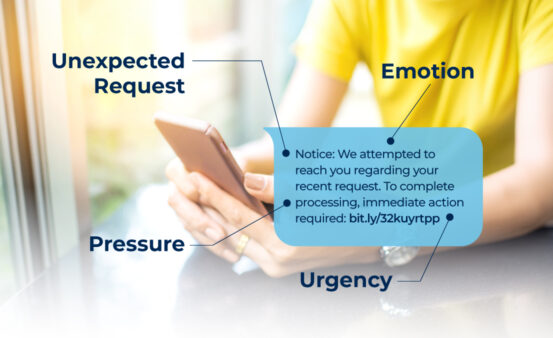
Know the Anatomy of a Scam
Scammers are getting more creative and convincing. Knowing what to look for can help you identify warning signs and avoid falling for a scam.
Breaking Down the Anatomy of a Scam
While scams can take many forms, most rely on three common tactics:
- Urgency: “Act Now!”
Scammers want you to feel like there’s no time to think. They may claim your account has been compromised, that a payment is late, or that you’ll face consequences if you don’t respond immediately.
- Secrecy: “Don’t Tell Anyone!”
Fraudsters often use fear, excitement, or authority to influence your decisions. They may impersonate a trusted organization, government agency, or even someone you know to gain your trust.
- Unexpected Requests: “Send Money or Share Your Information”
Be cautious of random password requests, asking for verification codes, your personal information, or demanding payments through unusual methods like gift cards, cryptocurrency, or wire transfers
How to Protect Yourself
A few simple steps can help you stay one step ahead of scammers.
- Pause before acting. Take your time, especially when someone pressures you to make an immediate decision.
- Verify the Source. Contact the organization directly using a trusted phone number or website, not the information provided in a suspicious message.
- Protect your Information. Never share passwords, PINs, or one-time verification codes with someone who contacts you unexpectedly.
- Trust your instincts. If something feels suspicious or too good to be true, investigate before responding.
What to Do If You Suspect a Scam
If you believe you’ve encountered a scam, stop communicating with the suspected scammer and avoid sending additional money or information and contact your financial institution quickly.